
A used car bought from a private seller grosses about $3,525 for dealers on VAN. The same kind of...
How One GM Built a Used-Car Acquisition Strategy Without the Auction

Most dealers treat used-car sourcing as a supply chore. The best ones treat it as the single decision that funds the whole store. Here's how one general manager built a used-car acquisition strategy around private sellers, and moved his front end, service, wholesale, and F&I in the same direction at the same time.
The decision that came before every other decision
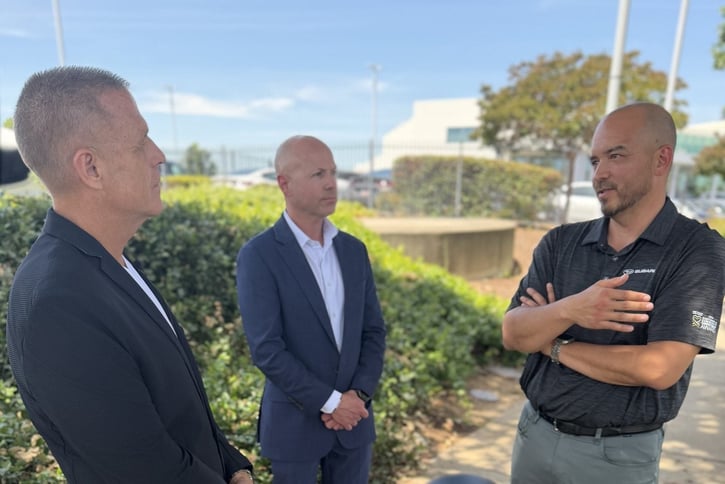
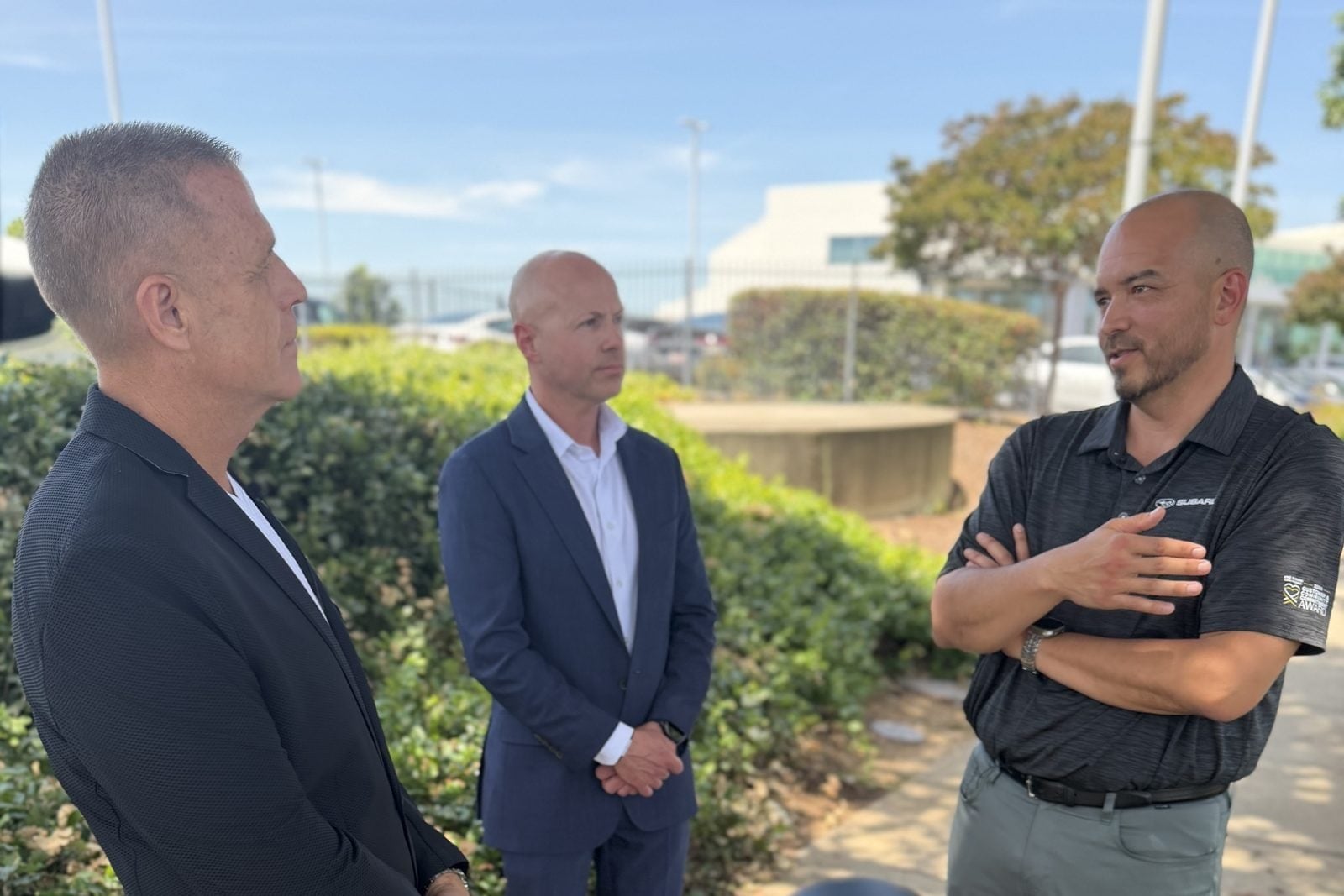
When Lithia & Driveway acquired Elk Grove Subaru in March 2025, the store had a used-car problem that was really a whole-store problem. It retailed 35 used cars a month and lost money on most of them. The shop discounted its own labor to make the used-car department pencil. Wholesale ran at a loss. And every used unit came the same tired way: from the auction.
The new general manager, Charlie Zink, made one operating decision before he touched anything else:
“We're never using the auction again ever.”
He wasn't adding a side channel. He was replacing the store's supply line and building a proactive used-car acquisition strategy around buying directly from private sellers. The arithmetic behind that decision is in The Replenishment Gap: trade-ins replace only a fraction of what a store retails. Within months, every number that mattered had moved.
Why a knuckleballer was the right person to do it
A sourcing strategy can create opportunity. It can't make a store disciplined. That part was Charlie.
Before he ever sold a car, Charlie Zink was a professional baseball player, a knuckleballer. He came up in Sacramento, won a junior-college national championship at Sacramento City College in 1998, then went to the Savannah College of Art and Design to study architecture and pitch for the legendary Luis Tiant. Tiant saw something in his knuckleball, recommended him to the Boston Red Sox, and Charlie signed as an undrafted free agent. He made his major-league debut at Fenway Park in 2008.
A knuckleball is the hardest pitch in baseball to master. It rewards no shortcuts, only repetition, feel, and the discipline to throw the same unglamorous pitch the same way every time, no matter who's watching. That's the temperament Charlie carried into the dealership.
The mentor who turned that discipline into management was VAN's COO, David Long. At the dealer group where they once worked together, anyone who wanted a seat in GM Academy had to ask for it in a letter to the owner and to David. Charlie didn't write one. He didn't think he belonged at that table. David did. He told Charlie he was going to write the letter, and that it wasn't a request. Charlie wrote it, and he's been glad ever since: the academy taught him the one thing he hadn't believed walking in, that he belonged in the chair.
That's why “no auction” never softened into a slogan. It became the store's daily operating system.
The keystone: the right inventory feeds every department
Here's the part most dealers miss, and it's the whole thesis of Charlie's used-car acquisition strategy. The right inventory at the right price isn't only a front-end margin lever. It's the keystone: the one stone every other department leans on.
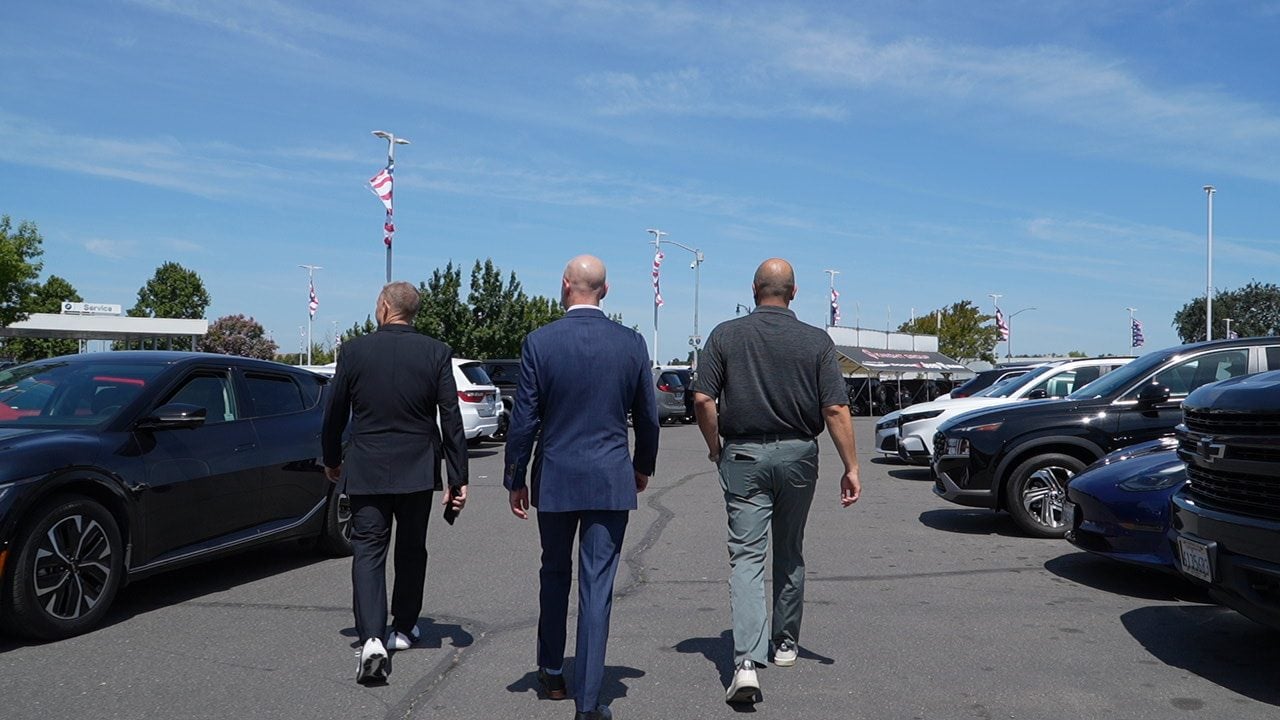
A car bought right from a private seller gives the store options that an auction car never does:
- The front end retails it with real gross instead of a built-in loss.
- Service reconditions it and bills at the full door rate, because the car was bought with room to absorb real work.
- Parts moves on every recon ticket, and on every customer-pay visit for the life of that vehicle.
- F&I gets another delivery to work.
- Wholesale moves it at a profit instead of a write-down.
- The sales floor gets rare, in-demand inventory that shoppers can't find at every other store, so the leads come on a specific car, not a price-shopped commodity.
“This [acquisition strategy] will feed every department in this dealership if we can be amazing at this one aspect. This will change everything for everyone.”
Charlie Zink, General Manager, Elk Grove Subaru
A car bought wrong takes all of those options away. That's why the discipline matters more than the volume: the strategy only works if every car is bought right.
What it looked like in the numbers
Charlie's team went from 35 used cars retailed a month to 86. Front-end gross swung from a roughly $1,800 loss per car to a profit. Service stopped discounting its own labor. Wholesale went from a monthly loss to a monthly profit. And the rare inventory roughly doubled the store's organic leads. Add the direct lift across front end, service, wholesale, and F&I, and it lands on the order of $4.8 million a year.
Want the full department-by-department breakdown, including the Mercedes their VAN Managed Buyer™ chased for nearly 90 days before it ever became an appointment? Read the complete Elk Grove Subaru case study →
The playbook: how to build your own used-car acquisition strategy
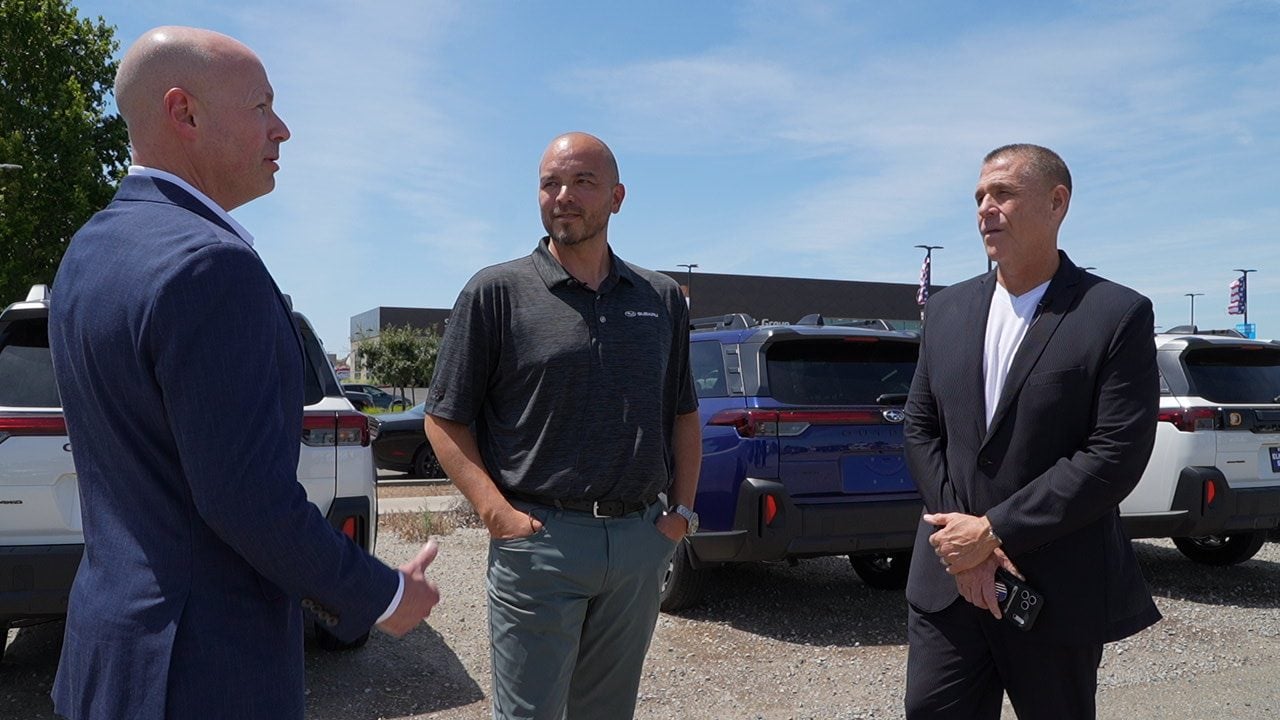
You don't need to be a former big-leaguer to run this. You need a repeatable system. Three moves make it work:
1. Commit to the supply line. Don't dabble. A private-seller acquisition strategy is not a “when the team has time” project. Charlie's salespeople were never going to make 100 calls a day to source cars; they want to sell them. Acquisition needs its own dedicated people and its own daily rhythm. This is also why a GM should resist running it off the side of the sales desk. The work belongs in a dedicated function. (More on that in why the GM shouldn't run the buy center.)
2. Buy the whole market, not just your franchise. Work trucks, high-mileage sedans, off-pattern luxury, enthusiast cars: anything you can buy right and sell. Narrow, brand-matched, condition-screened sourcing leaves the most profitable cars on the table, because no one else is calling those sellers either.
3. Get the seller in the door, then tell the truth. Charlie's rule for his buyers is simple: don't negotiate on the phone and don't screen a car out for asking too much. Just get the seller in. Then he does the appraisal in person and honestly. Sellers come down to real value when they're treated like adults by someone who isn't posturing.
That's the engine: dedicated buyers working the private-seller market full-time, a GM who controls the appraisal and the close, and a discipline that keeps every car bought right. The software side of that engine has its own checklist. Clayton Dorris covers what dealers need in private-party vehicle acquisition software in four questions to put to any vendor.
Build the engine
Run the same used-car acquisition strategy at your store
VAN hires, trains, and manages a dedicated buyer who works your private-seller market full-time (sourcing, offers, follow-up, and appointment-setting) while your GM keeps the appraisal and the close. You stock the right inventory; the right inventory takes care of the store.
Explore the VAN Managed Buyer Program →Or talk it through: 855-952-4949
Ready to buy fewer cars at the auction? Start with what an auction car costs compared with a private-seller car. How to build a dealership buy center covers the staffing, and VAN's buy center software runs the sourcing and follow-up.